
ABOUT US
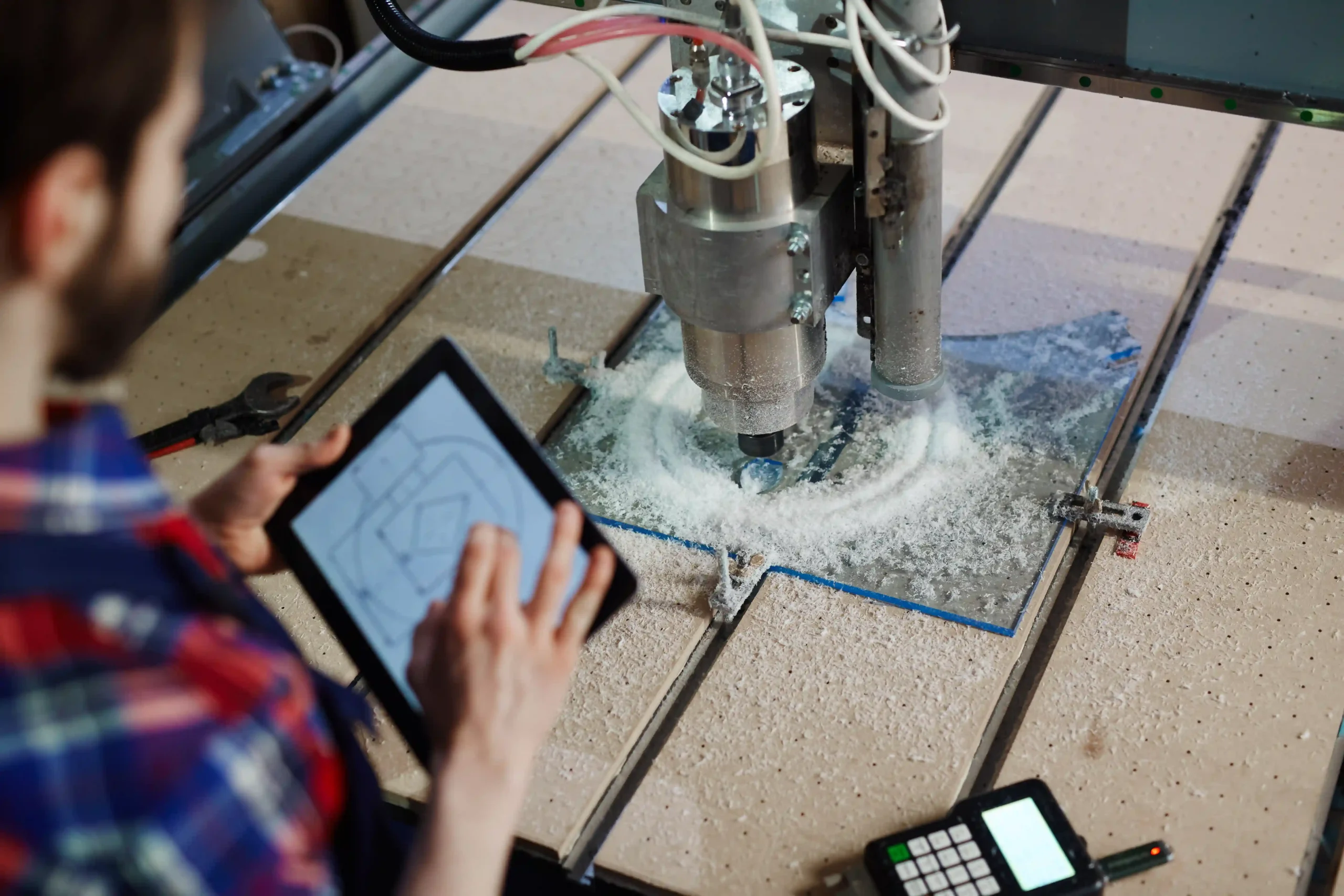
Engineered at the Edge of Possibility
QRTZ was born from a need for perfection when manufacturers demanded flawless finishes on parts measured in microns, and no existing tool could deliver.
We specialize in micro-radius and zero-radius diamond cutting tools for advanced materials like Platinum, PEEK, Torlon, Ultem, carbon composites, Palladium, and semiconductor alloys.
The Science of the Edge
Every diamond tool begins with material integrity and ours are the purest available.
Our diamonds are sourced from the world’s leading producers, refined to ensure crystal consistency, purity, and grain alignment.
We carry three core substrate families:
- PCD (Polycrystalline Diamond): unmatched for wear resistance in nonferrous materials.
- CVD Diamond: pure crystal ideal for polymers and composites.
- Natural Diamond: ultimate sharpness for precious metals and optical finishes.
Each tool is engineered to the exact application edge prep, rake, and geometry all calibrated to the material’s hardness, thermal conductivity, and elasticity. That’s where performance is won.
Solving the Industry’s Hidden Problem
Most diamond tooling fails not because it’s poorly made, but because it’s misapplied. Incorrect edge prep, feed rate, or chip load can destroy even the best tool.
At QRTZ, we help customers identify the right diamond for their process preventing premature wear, improving finish quality, and extending tool life.
Our mission is simple: eliminate the guesswork, and help you cut smarter.
Our Promise
We don’t chase volume. We build tools that deliver results that can’t be faked precision that speaks for itself.
Only the purest diamond materials
Application-driven geometry
Expert insight and support
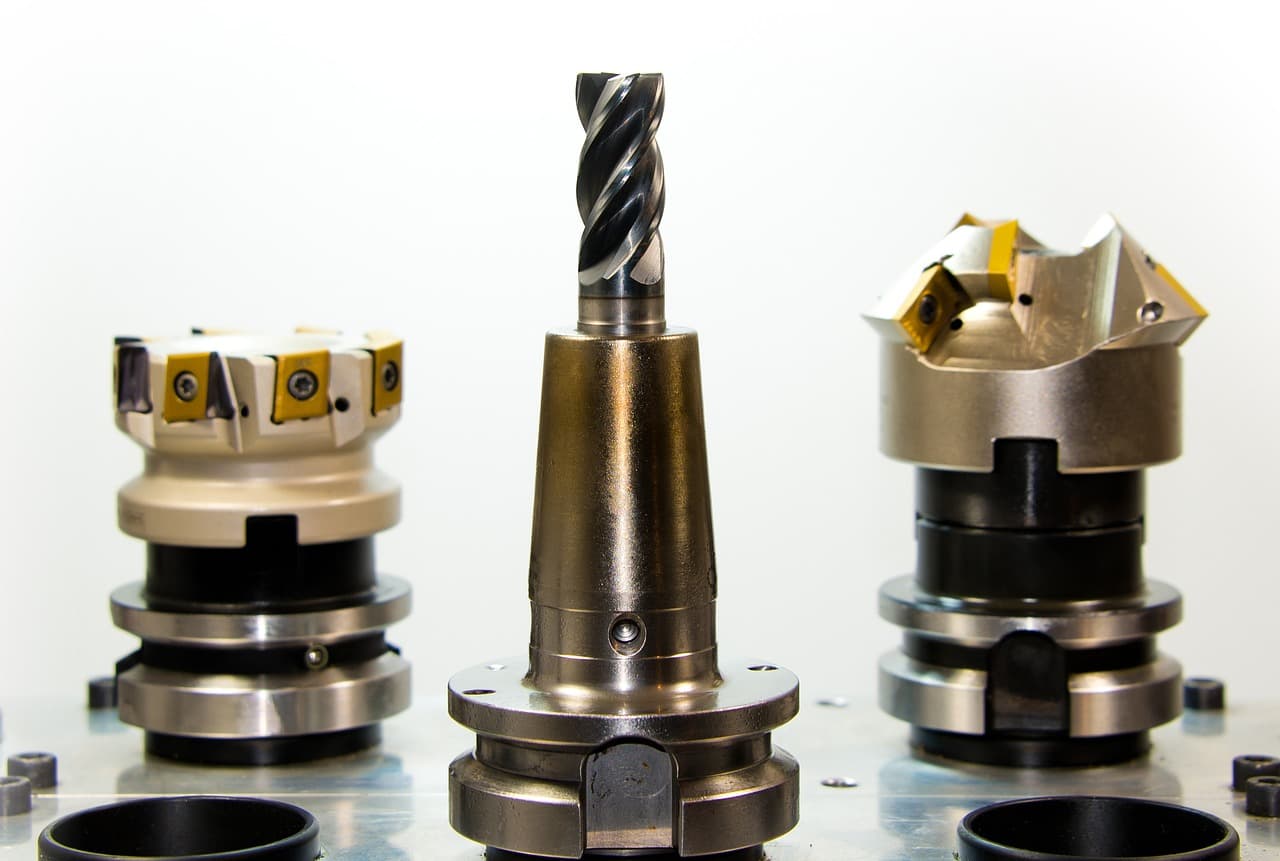
Expertise Earned One Challenge at a Time
QRTZ emerged from a simple philosophy: when everyone says something can’t be done, they usually mean they don’t know how.
Our foundation was built on medical device manufacturers who needed the impossible zero nose radius diamond tools for precious metal implants measured in microns. Platinum, iridium, palladium components where a single failed part cost more than a month of tool purchases. The industry consensus was clear: it couldn’t be done.
We did it anyway.
Learning from Failure Theirs and Ours
That first breakthrough taught us something crucial: most tool failures aren’t random. They’re predictable consequences of applying the wrong geometry to specific materials. Standard tool designs evolved for common materials over decades. When new materials emerged advanced polymers, ceramic composites, filled plastics the old rules no longer applied.
Rather than modify existing designs and hope, we started fresh. What does Torlon actually do at the cutting interface? How do glass particles in PEEK affect chip formation? Why do some certain parts cut cleanly when another similar part, is full of burrs? Why does tool life vary so much with similar parts?


Building the Knowledge Base
Each new material challenge expanded our understanding:
- Semiconductor manufacturers struggling with Vespel brought insights into polymer chain behavior at cutting temperatures
- Aerospace companies fighting carbon composites revealed interlayer mechanics no one had mapped
- Electronics producers attempting to machine advanced ceramics showed us fracture propagation patterns invisible to standard analysis
We documented everything. Analyzed every failure. Studied successful cuts at magnifications that revealed the true story. Over decades, we’ve built a materials specific database of what works, what doesn’t, and most importantly why.
From Custom to Catalog
What started as custom solutions for desperate customers evolved into standard offerings. The tool that solved one company’s Torlon nightmare became the solution for dozens more. Geometry developed for a specific grade of glass-filled PEEK proved optimal for an entire family of materials.
Today, we maintain extensive standards for challenging materials while continuing to develop application specific solutions. When you purchase tools optimized for specific materials, you’re getting geometry proven across hundreds of similar applications.

The QRTZ Advantage
We succeed where others fail because we’ve been there before. That material giving you trouble? We’ve probably seen it in twelve variations. The failure mode that has your team stumped? We likely documented it years ago.
This isn’t arrogance it’s experience. Every tool we ship carries the accumulated knowledge of thousands of applications, failures turned into successes, and materials mastered through persistence.
Our customers often express surprise at our pricing. They expect specialized expertise to carry premium costs. But we believe advanced manufacturing shouldn’t be held back by tool limitations or budgets. Properly designed tools don’t need to cost more they just need to be designed properly.
Industry Applications
We proudly serve a diverse range of sectors requiring specialized diamond cutting tools:
Our extensive expertise ensures that QRTZ tools deliver outstanding results across a broad spectrum of materials and applications.
Aerospace
Lightweight alloys and composite materials used in jet engines and airframes
Automotive
High-performance aluminum machining for electric vehicle motors and components
Electronics & Semiconductors
Machining of graphite electrodes and semiconductor contacts with extreme precision
Medical
Tools for manufacturing implants and surgical instruments with flawless surface finishes
Advanced Composites
CFRP, ceramics, and other next-generation materials that demand high tool durability
Precious Metals
Cutting and shaping platinum, palladium, and other rare metals for industrial and medical use