
Understanding Flute Count and Helix Angle in CNC Milling Tools
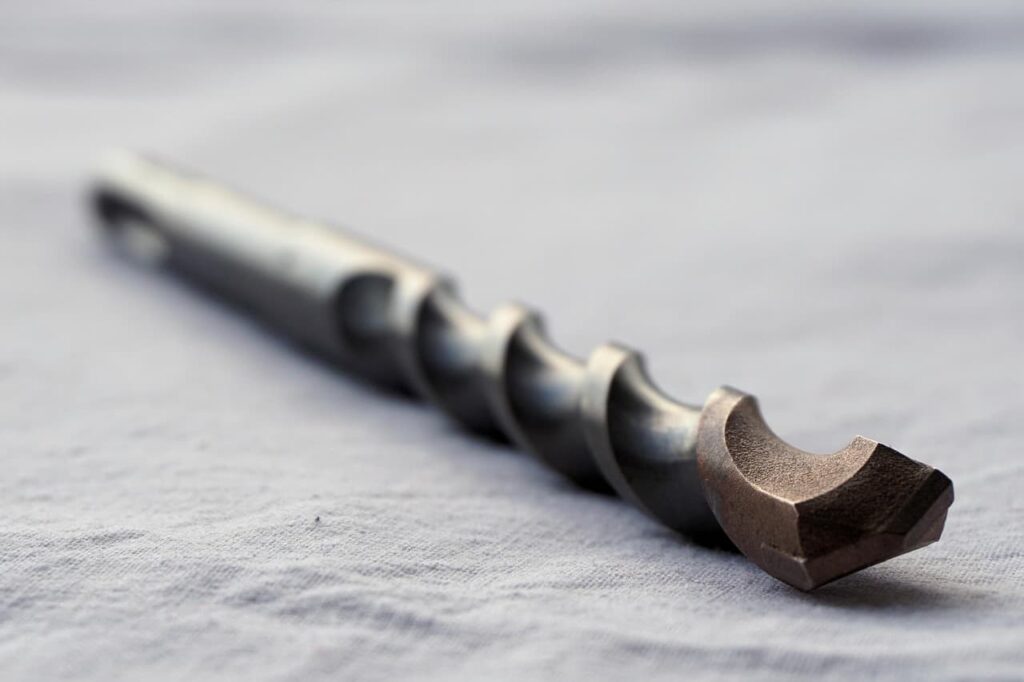
In CNC milling, the performance and efficiency of the cutting tool largely depend on its geometry specifically, the flute count and helix angle. These two design elements profoundly influence chip evacuation, cutting forces, surface finish, tool life, and the overall machining process. Choosing the right combination tailored to the material and machining operation not only improves productivity but also extends tool life and reduces scrap.
Top CNC Machining Tool Maintenance Practices for Longer Tool Life
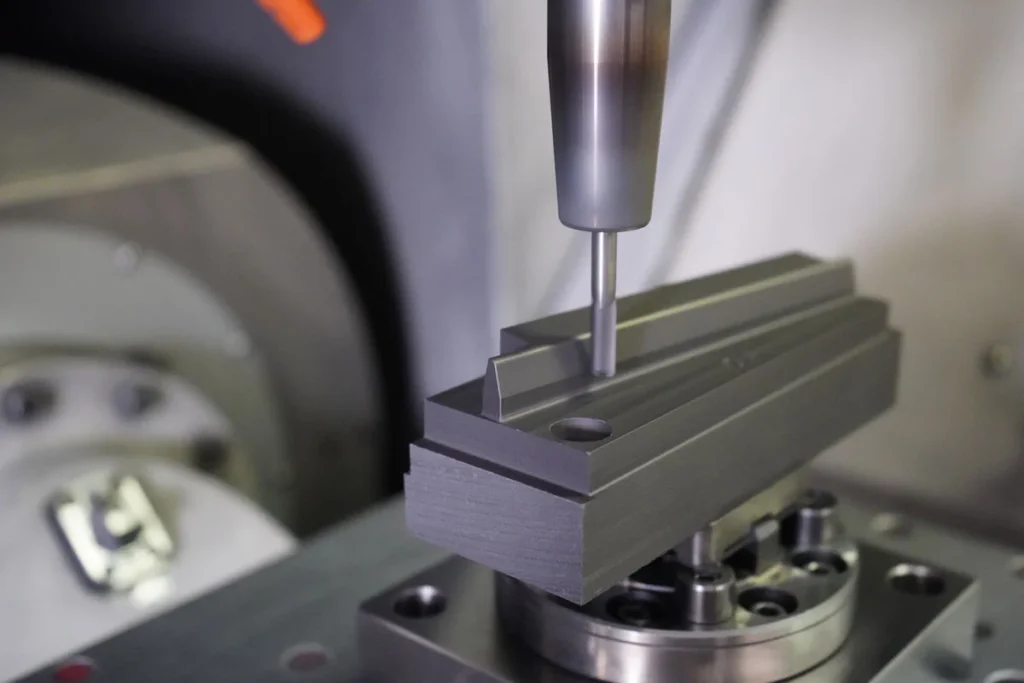
In modern CNC machining, maintaining your cutting tools especially carbide end mills and turning inserts is fundamental to achieving consistent performance, superior surface finishes, and reducing operational costs. With advancements in tooling technologies seen through , such as new coatings and tougher substrate grades, proper tooling maintenance becomes even more critical to fully realize their benefits.
The Complete Guide to End Mills: Types, Uses & How to Choose the Right Tool
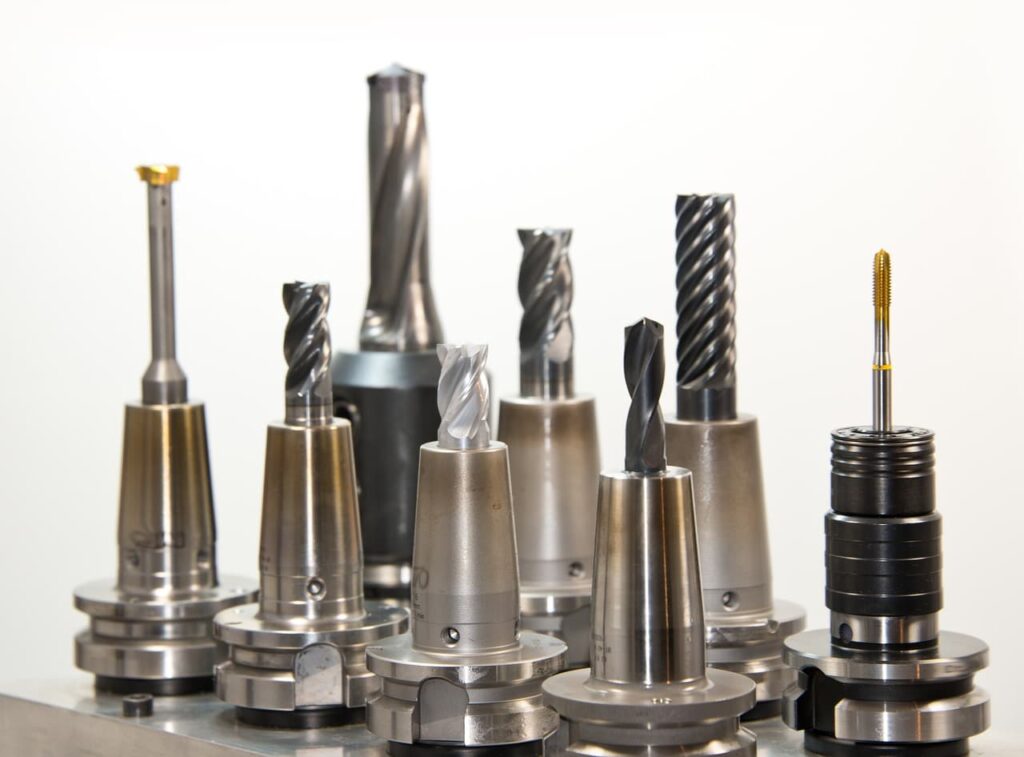
In CNC machining, the quality of your end mill directly determines how efficiently your machine performs. Whether you’re cutting aluminium, stainless steel, titanium, or composites, choosing the right end mill affects surface finish, accuracy, tool life, and even overall project cost. With so many geometries, coatings, and flute options available, finding the perfect tool often becomes confusing.
High-Performance Carbide End Mills: Types, Coatings & How to Choose
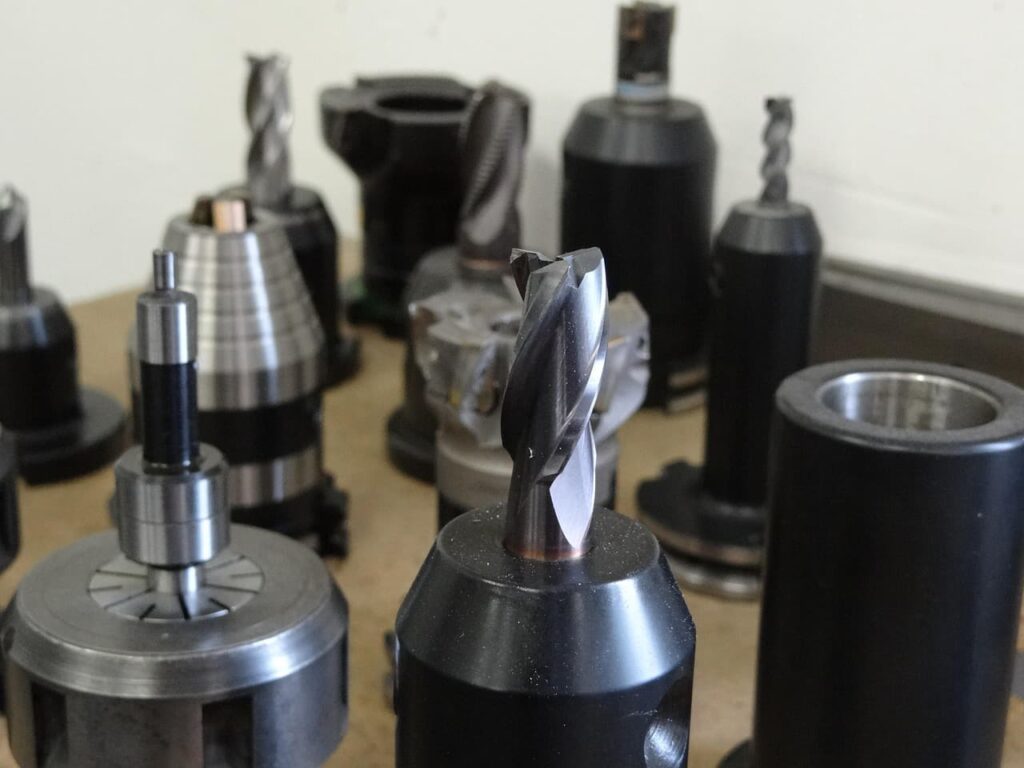
In modern CNC machining, choosing the right end mill is critical to achieving both high productivity and excellent part quality. While standard carbide end mills work for basic operations, high-performance carbide end mills are engineered to provide superior performance, durability, and versatility across a wide range of metals and applications.