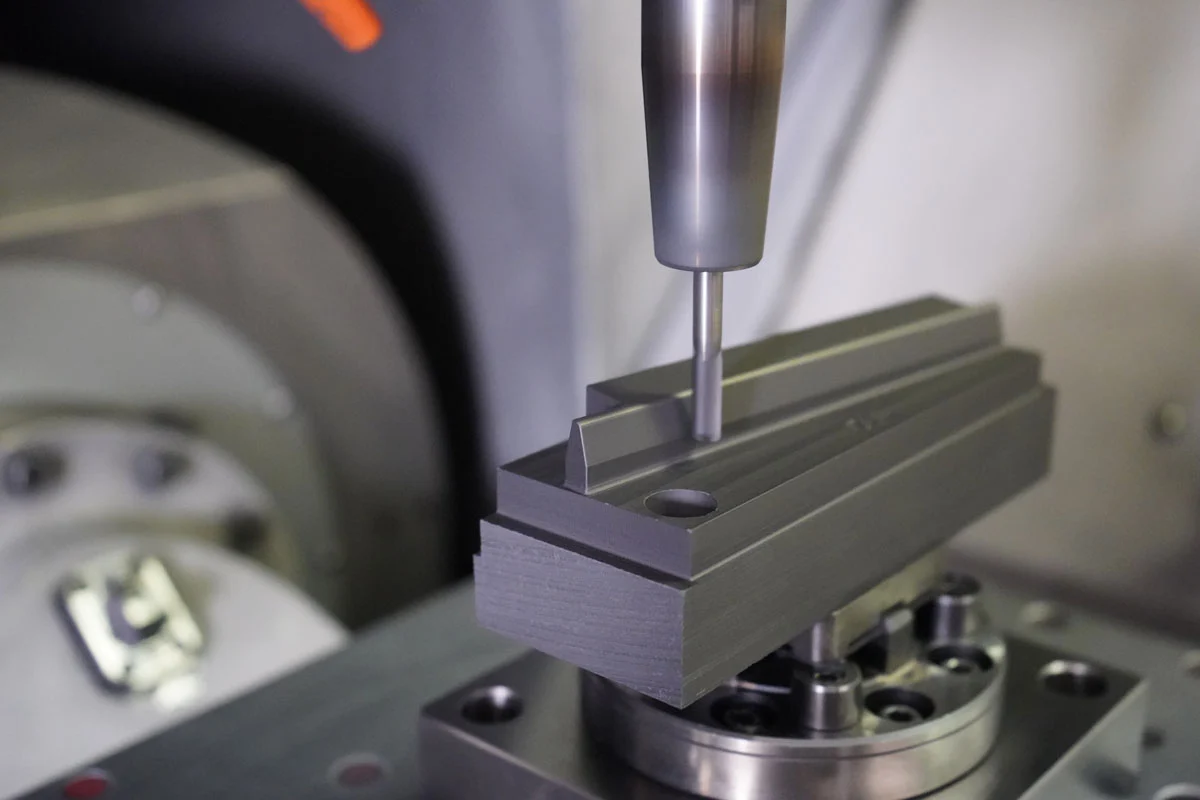

In CNC machining, the quality of your end mill directly determines how efficiently your machine performs. Whether you’re cutting aluminium, stainless steel, titanium, or composites, choosing the right end mill affects surface finish, accuracy, tool life, and even overall project cost. With so many geometries, coatings, and flute options available, finding the perfect tool often becomes confusing.
This guide breaks down everything you need to know using simple explanations, technical depth, and practical examples so you can confidently pick the right tool for any machining job.
Beyond improving accuracy and surface finish, the right end mill also improves vibration control, stabilizes spindle load, and ensures consistent results even in long production cycles. Small geometry upgrades like shifting from a flat end mill to a corner-radius tool can significantly reduce chipping and extend tool life. As businesses push for faster machining and tighter tolerances, proper tool selection becomes even more important.
What Are End Mills and Why Are They Important?
End mills are essential for:
- Slotting
- Contouring
- Pocketing
- Roughing
- Finishing
- 3D surface machining
Types of End Mills and Their Best Applications
Different machining operations require different geometries. Choosing the right type prevents errors and extends tool life.
Most Common End Mills and Their Applications
| End Mill Type | Ideal Use | Material Compatibility |
| Flat End Mill | Slotting, roughing, facing | All materials, performance depends on grind and coating. |
| Ball Nose | 3D contours, dies, moulds | All materials, grind and coating determine best performance. |
| Corner Radius | Edge protection, longer life | All materials, coating and grind affect material performance. |
| Roughing End Mill | Heavy material removal | All materials, ideal grind and coating vary based on material type. |
| Finishing End Mill | High-quality surface finish | All materials, coating and grind influence tool life and finish. |
| High-Helix | Fast chip removal | Best for soft metals like aluminium, but grind and coating determine effectiveness. |
| PCD End Mill | Abrasive materials | Primarily for composites and graphite; coatings optimize for these abrasive materials. |
Modern hybrid tools combine features like variable helix, unequal flute spacing, and multi-flute roughing profiles. These innovations reduce chatter, increase stability, and enable higher feed rates especially useful in aerospace, mould-making, and precision engineering.
Understanding End Mill Geometry
Geometry determines how the tool behaves during cutting. Small design details dramatically affect finish, tool life, and material compatibility.
1. Flute Count
Flute count controls chip evacuation and tool rigidity.
Common flute options:
- 2 Flute: Best for aluminium; great chip clearance
- 3 Flute: Balanced performance
- 4 Flute: Ideal for steel; rigid + strong
- 5–7 Flute: High-feed finishing; excellent surface finish
Using the wrong flute count often causes chip clogging, tool wear, and poor finish.
2. Helix Angle
The helix angle determines how smoothly the tool cuts and how well it manages heat.
- Low Helix (20°–30°): Stable for hard metals
- Medium Helix (35°–40°): Versatile, all-purpose
- High Helix (45°+): Fast chip evacuation perfect for aluminium
3. Tool Coatings
Tool coatings protect against heat, friction, and wear.Popular coatings include:
- TiN: General-purpose
- TiAlN / AlTiN: High heat resistance (great for steel)
- ZrN: Prevents aluminium sticking
- Diamond / PCD coatings: Best for abrasives
How to Choose the Right End Mill
Each material needs specific coatings, flute counts, and helix angles.
- Roughing
- Slotting
- Profiling
- Finishing
- Pocketing
High-speed CNCs require balanced end mills and precision holders.
- Heat issues → TiAlN
- Chipping → Corner radius
- Aluminium sticking → ZrN
Shorter tools reduce vibration.
Center-cutting tools allow direct plunging; non-center tools require ramping.
Even the best end mill performs poorly in a low-quality holder. Use:
- Hydraulic chucks
- Shrink-fit holders
- Precision collets
Common Mistakes Machinists Make
- Using aluminium-designed tools on steel
- Wrong flute count
- Incorrect speeds & feeds
- Poor chip evacuation
- Improper coolant usage
- Unbalanced tool holders
When to Upgrade to High-Performance or PCD End Mills
- Frequent tool breakage
- High heat generation during machining
- Poor surface finish or dimensional accuracy
- Long cycle times affecting productivity
- Difficulty cutting hard or abrasive materials
The Future: Data-Driven Machining
Modern CNCs now use tool monitoring to track:
- Spindle load
- Vibration
- Wear patterns
This reduces downtime and increases tool life when paired with high-quality end mills.
Conclusion
End mills play a much bigger role than most machinists realize. The right tool boosts accuracy, reduces heat, prevents breakage, and ensures consistent machining results. By understanding flute geometry, helix angles, coatings, and application-based selection, you can dramatically improve machining efficiency, reduce costs, and produce higher-quality parts.
This guide gives you the foundation to make smart tooling decisions for any CNC machining project.