In CNC milling, the performance and efficiency of the cutting tool largely depend on its geometry specifically, the flute count and helix angle. These two design elements profoundly influence chip evacuation, cutting forces, surface finish, tool life, and the overall machining process. Choosing the right combination tailored to the material and machining operation not only improves productivity but also extends tool life and reduces scrap.
This comprehensive guide delves deep into the roles of flute count and helix angle, equipping machinists with the knowledge to optimize CNC milling operations effectively.
What Is Flute Count in Milling Tools?
- Chip Evacuation: Lower flute counts (2–3) provide larger chip clearance, making them excellent for softer materials like aluminum, where chip clogging is a concern.
- Cutting Edge Engagement: More flutes mean more cutting edges engage the workpiece, enhancing surface finish and allowing higher feed rates.
- Tool Strength and Rigidity: Increasing flute count increases cutter strength but decreases chip clearance. This is crucial for machining harder materials.
Typical flute counts:
- 2 Flutes: Best suited for aluminum and soft metals due to wide chip clearance facilitating rapid chip evacuation.
- 3 Flutes: A balanced option for softer steels and stainless steels, offering a combination of chip clearance and rigidity.
- 4 Flutes: Favored in milling harder steels, offering strong cutting edges and smooth finishes.
- 5 or More Flutes: Mainly for finishing operations on hard materials at high speeds, where chip clearance is less critical.
Understanding Helix Angle and Its Effects
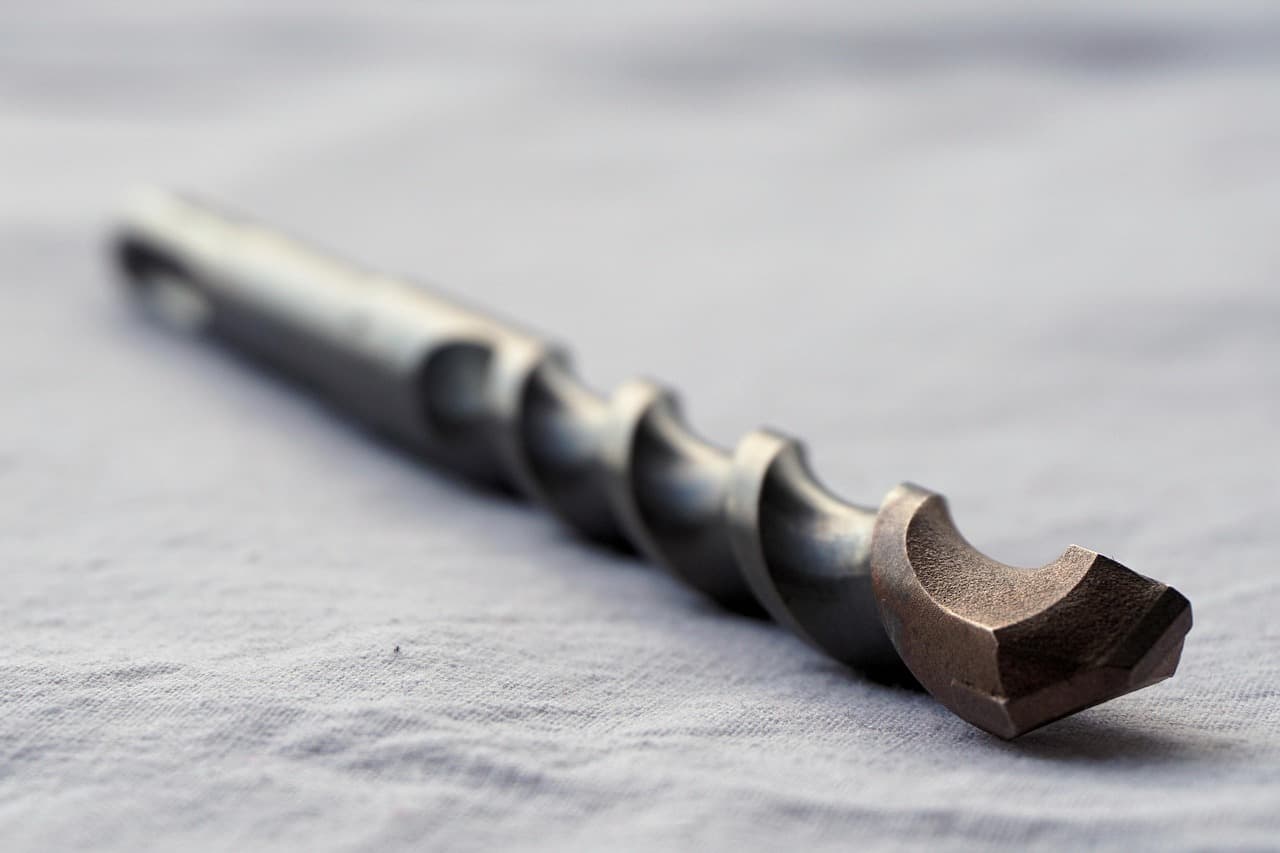
- Low Helix Angle (20°-30°): Generates a more stable cut with less axial force, ideal for interrupted cuts and machining hard materials like steel and cast iron. This angle reduces tool deflection but may increase vibration sometimes.
- Medium Helix Angle (35°-40°): The most versatile and common choice, balancing cutting force, chip evacuation, and tool strength. Good for most general-purpose machining.
- High Helix Angle (45°+): Provides a smooth, continuous cut with excellent chip evacuation, especially suited for soft and gummy materials like aluminum and brass. It reduces chip packing but increases axial loads on the tool.
How Flute Count and Helix Angle Work Together
- When machining soft metals (e.g., aluminum), a low flute count (2–3) combined with a high helix angle (45° or more) ensures chips evacuate quickly, preventing clogging and heat buildup.
- For medium hardness materials such as stainless steel, a 3–4 flute cutter with a medium helix angle (35°-40°) balances rigidity and chip flow, supporting efficient cutting without premature tool wear.
- In hard or abrasive materials like hardened steel or cast iron, a higher flute count (4 or more) with a low to medium helix angle is advisable to maintain tooling strength, reduce axial forces, and improve tool life.
Practical Applications and Recommendations
For Aluminum and Soft Metals
- Use 2 or 3 flute cutters for maximum chip clearance.
- Select high helix angles (45° or higher) to foster smooth cutting and prevent chips from packing.
- Consider coated tools with ZrN coatings to avoid material adhesion.
For Mild Steel and Stainless Steel
- Opt for 3 or 4 flute cutters providing a good balance of strength and chip clearance.
- Choose medium helix angles (35°-40°) to ensure consistent chip flow and minimize work hardening.
For Cast Iron and Hard Steels
- Prefer 4 or more flute cutters for enhanced rigidity and surface finish.
- Use a low to medium helix angle (20°-35°) for reduced axial load and tool durability.
For Finishing Operations
- Use high flute counts (5+) and medium helix angles to maximize cutting edges engaged for a superior finish at high speeds.
- Ensure your machine setup is rigid to handle increased forces without vibration.
Integrating Geometry Knowledge with Product Choices at QRTZ Toolz
Avoiding Common Mistakes
- Choosing too many flutes when machining soft metals causes chip packing and heat buildup.
- Selecting overly high helix angles for hard material can induce vibration and reduce tool life.
- Neglecting machine rigidity considerations when using high flute count and steep helix tools may cause chatter and poor finish.
- Ignoring coating compatibility with material and speeds reduces tool longevity.
Conclusion
Optimizing the flute count and helix angle in milling tools is critical for balancing chip evacuation, tool strength, and surface finish quality. Proper selection tailored to your specific materials and cutting conditions enhances tool life, machining speed, and product quality. Leveraging QRTZ Toolz’s expertise and wide selection of carbide milling tools designed with optimal geometries can help you achieve these goals consistently.
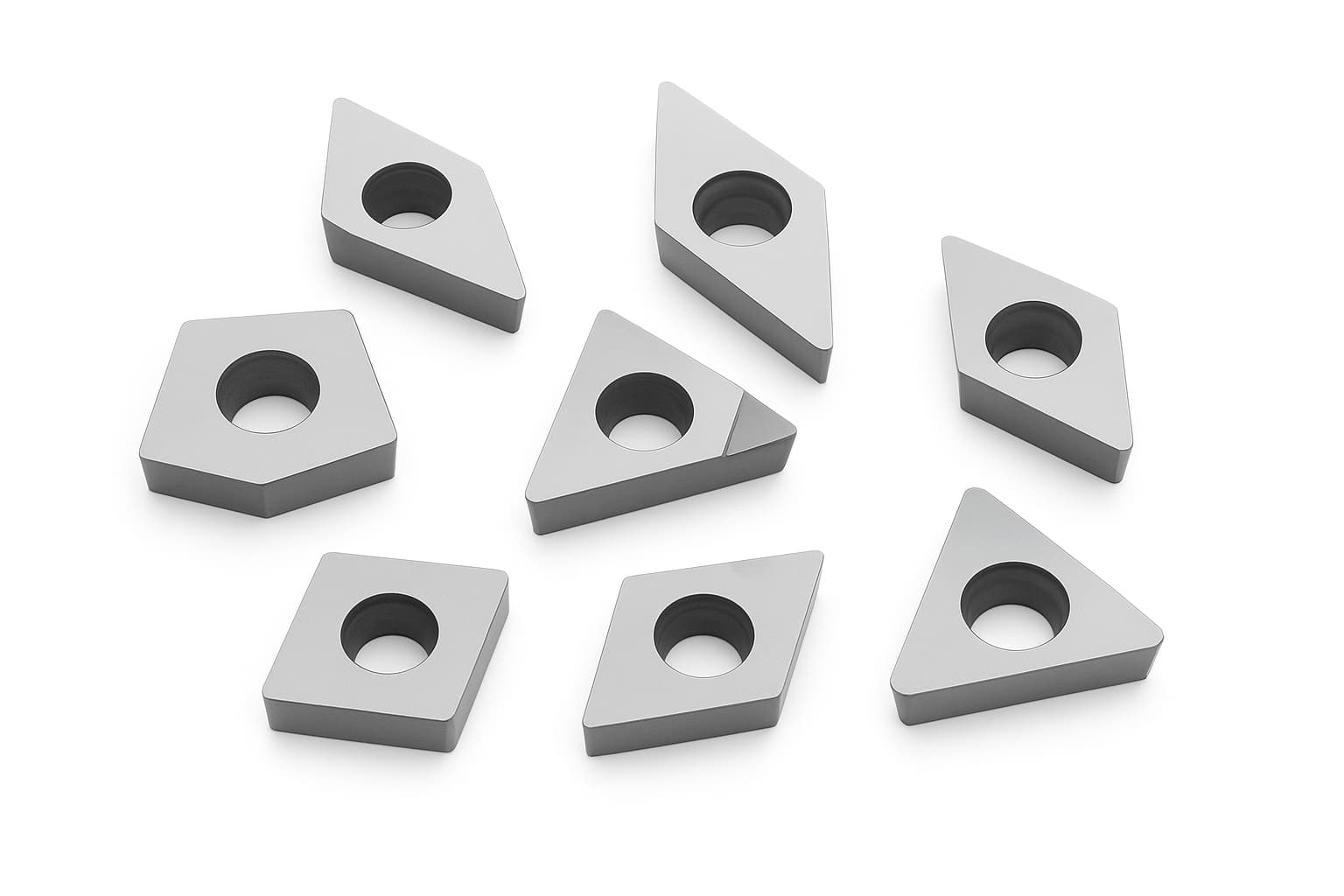
Explore our full range of expertly engineered carbide end mills and inserts to unlock peak performance across your CNC milling operations.